
Power Animal: COYOTE
Red Rocks and Deep Thoughts

When I channeled Coyote, I saw him panting and pacing, clearly very stressed. He looked like he had been chased and needed to catch his breath. There were scars in his fur. I could see fatigue mixed with adrenaline in his eyes. I could not get his attention or console him. Detachment was setting in and he seemed resigned to his fate. As I did my Deep Dive, this vision of Coyote came to make more sense.
Different cultures have associated a kind of trickster energy with Coyote. Coyotes are known for being highly intelligent and clever. Imagine Coyote as the jester, trotting into court to perform in front of various characters vying for status. As they maneuver for social and material advantage, Coyote takes their temperature with his jokes, discovering the latest trends in humor, shock, and cruelty.
In Native American cultures as well, Coyote has been made into a human-esque character to theatrically dance with life’s challenges. The weaknesses that Coyote reenacts for us sting less when we observe them from outside the ceremonial circle. It’s kind of like when you hear a mother speak of herself in the third person to her own child and say, “Mommy doesn’t like that.” Mommy is the bad guy. The parent in the room is merely a bystander.
European settlers who sailed, rode, and basically bludgeoned their way into North America in the 19th and 20th centuries didn’t want to be the bad guys either. They just wanted to shoot animals without any competition, and without the hassle of understanding the chain of life, or life in general. Enter a name that should strike fear: The Bureau of Biological Survey. It was a U.S. government agency that didn’t like coyotes and it was tasked with their eradication. Between 1947 and 1956 it killed approximately 6.5 million coyotes, mostly by poisoning them. It even cooked up some new poisons for the purpose, including 1080. This was all carried out based on stupefying ignorance of the animal, colorful literary character assassination, and sheer evil. Even today, general internet searches about coyotes bring up recent posts about how to kill them.
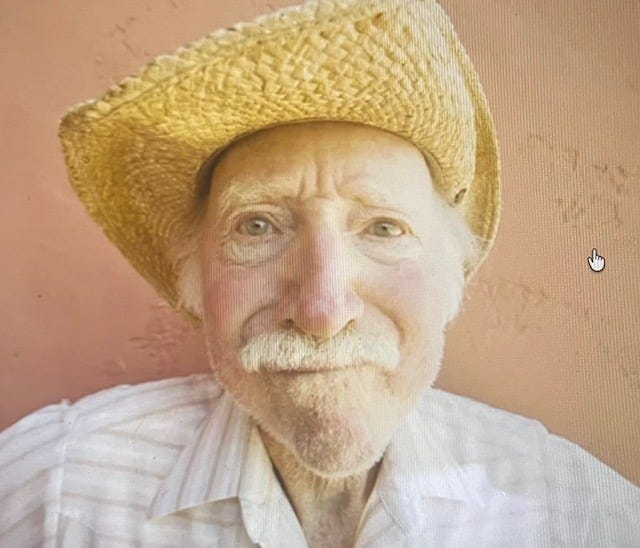
Coyote hunt things. Coyote take things. Coyote no go away. Hmmm…
Coyote is calculating, has a strong will to survive, is adaptable, is stubborn in its pursuits, and continues to thrive in spite of adversity—just like the Europeans who came to North America. Since Coyote shares so many traits with humans, he has suffered on a grand scale from psychological projection, triggers and the shadow self. It turns out that we are often offended and outraged by the behaviors of others because we have the same behaviors ourselves. We work hard at denying them and it is annoying when they surface in someone else and remind us of who and what we really are. Here is a one minute video on the subject:
Rather than kill the messenger, let's try to benefit from Coyote’s bag of medicine:
mental elasticity for experimentation
strength to keep moving
independence for striking out on your own
valor for healing through triumph
levity for a good sense of humor
Also: Coyote knows that before you can have any of these things, you must have the introspection to process your emotions. Let out a long piercing howl when you need to. This is the aspect of Coyote I show in my portrait. It is also a more well-rounded portrayal than my initial vision. Here, he is subdued and pensive, emotionally discharging the baggage he does not want to carry. His colorful coat serves multiple purposes: to play the jester, to blend with the background as a good trickster does, and to portray the many shades of the inner self.
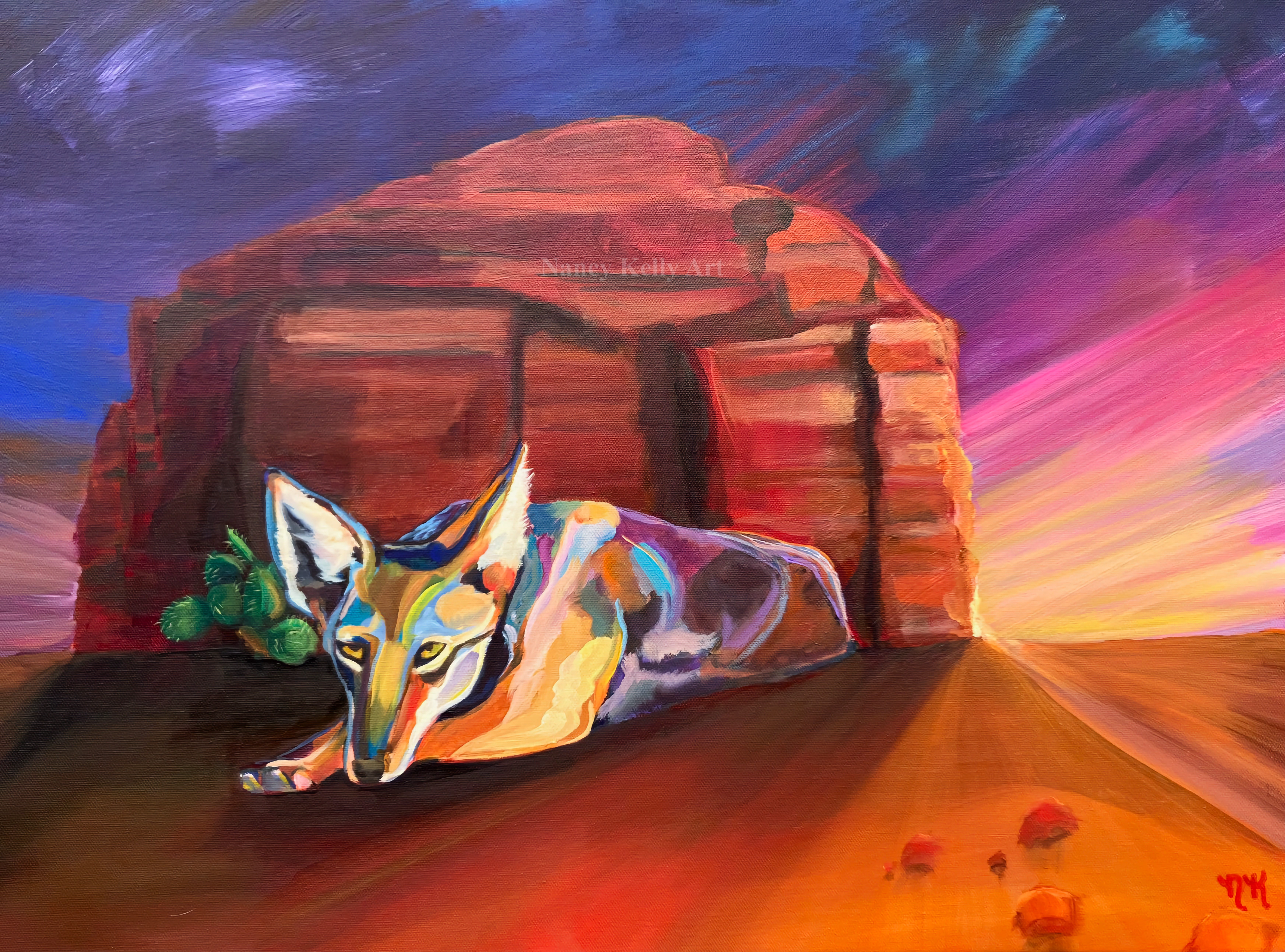
Nancy Kelly, Power Animal: COYOTE (2026), oil and acrylic on wrapped canvas, 24x18” $1,200.
May your Power Animals be with you,
Nancy